A heart attack is one of the most time-critical emergencies in medicine. Knowing the signs — and acting on them immediately — can be the difference between full recovery and permanent heart damage. As an interventional cardiologist, I open blocked arteries every week. The patients who do best are always those who arrived fastest.
Every year, hundreds of thousands of people across the world experience a heart attack. Many survive. But too many wait too long before calling for help — either because they are not sure what they are feeling, or because they convince themselves it will pass. This article is written to make sure you never make that mistake.
What Exactly Happens During a Heart Attack?
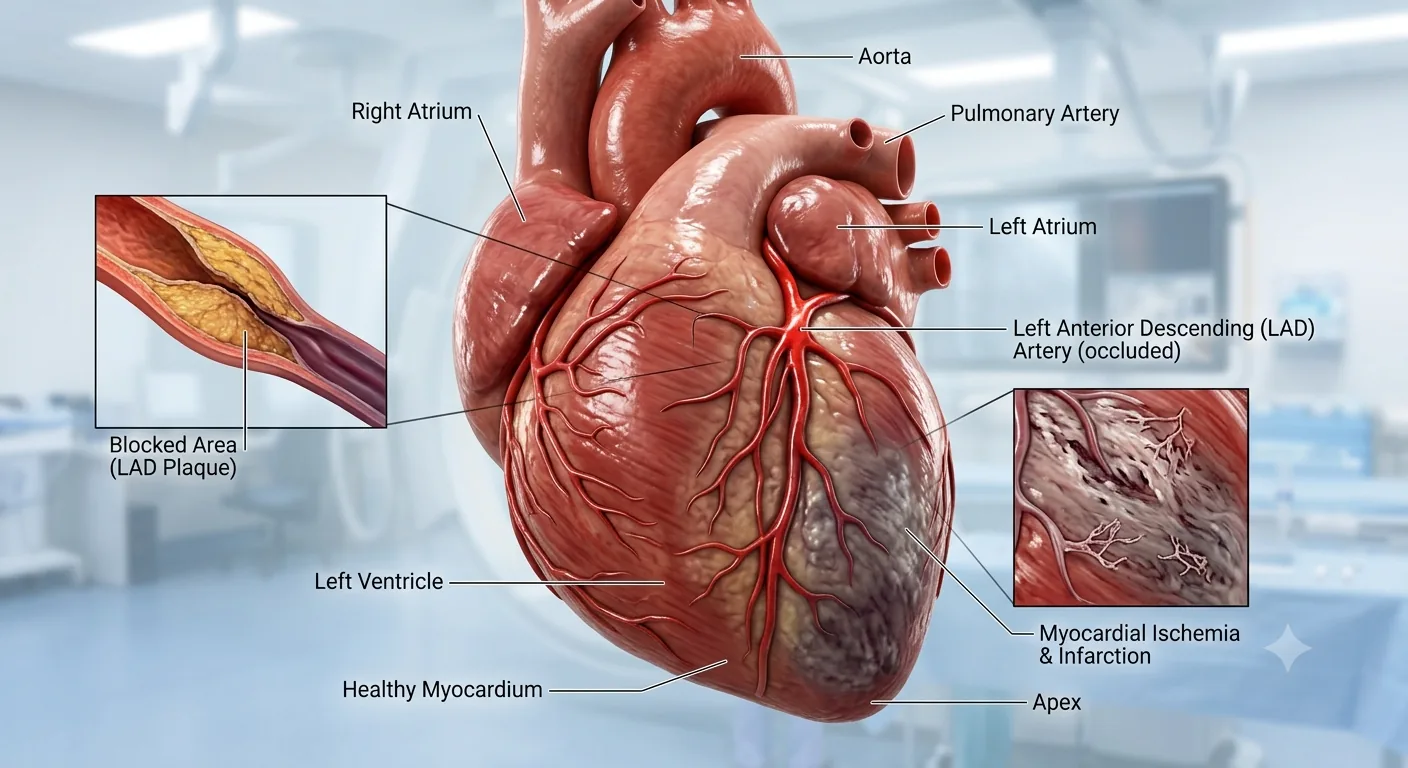
Your heart muscle is constantly working — beating around 100,000 times a day. To do that, it needs a continuous supply of oxygen-rich blood, delivered through the coronary arteries. A heart attack — medically known as a myocardial infarction (MI) — occurs when one of these arteries becomes suddenly and severely blocked.
The blockage is almost always caused by a blood clot that forms on top of a rupture in an atherosclerotic plaque — a fatty deposit that has built up inside the artery wall over years. When the clot cuts off blood flow, the heart muscle supplied by that artery begins to die within minutes. This is why speed is everything.
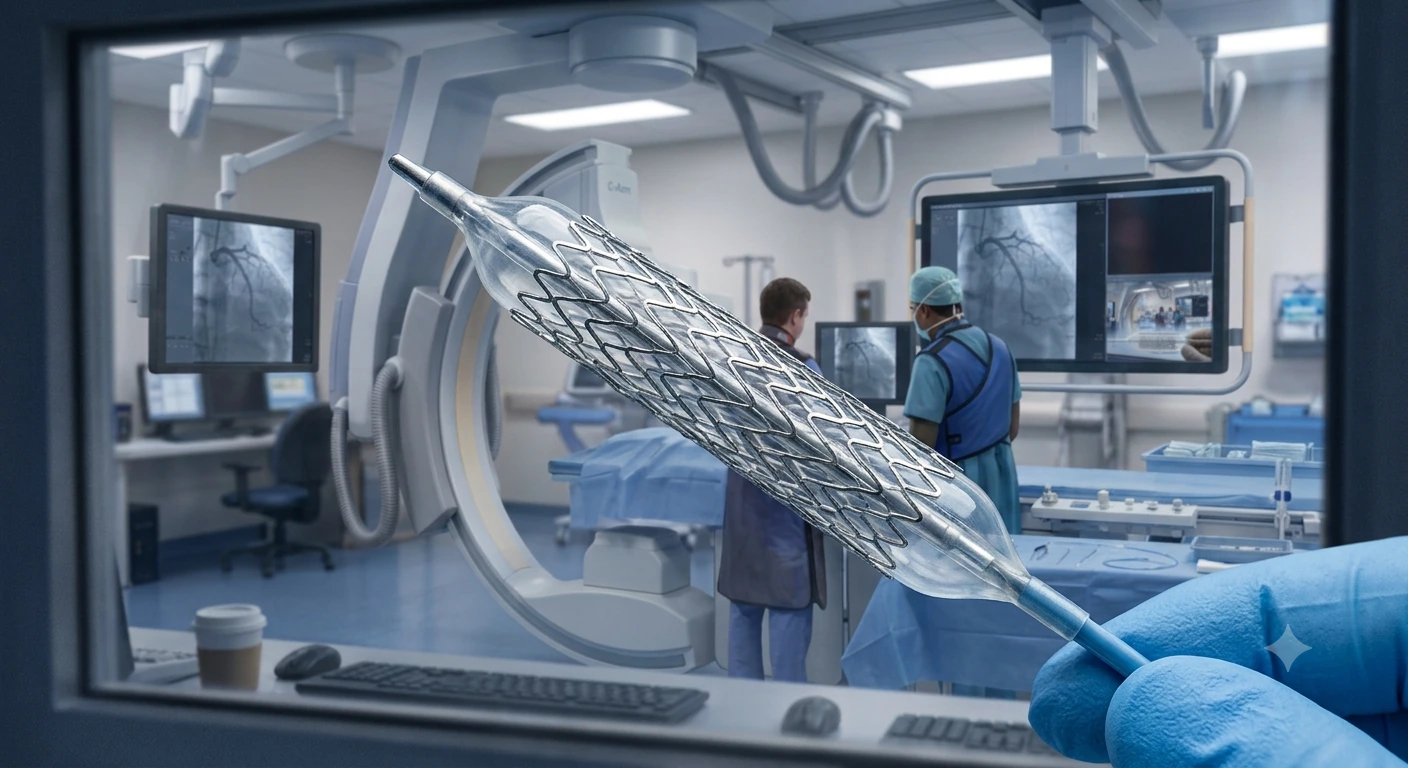
In my work as an interventional cardiologist, the procedure I perform to treat a heart attack — primary PCI — involves threading a catheter through the wrist or groin, finding the blocked artery, and opening it with a balloon and stent. The sooner we do this, the more heart muscle we save. We measure success in minutes.
The Warning Signs — Do Not Ignore These
The classic image of a heart attack is a man clutching his chest in agony. That does happen. But heart attacks can also be surprisingly subtle, especially in women, diabetic patients, and the elderly. Here are the signs that should prompt you to act immediately.
Chest discomfort
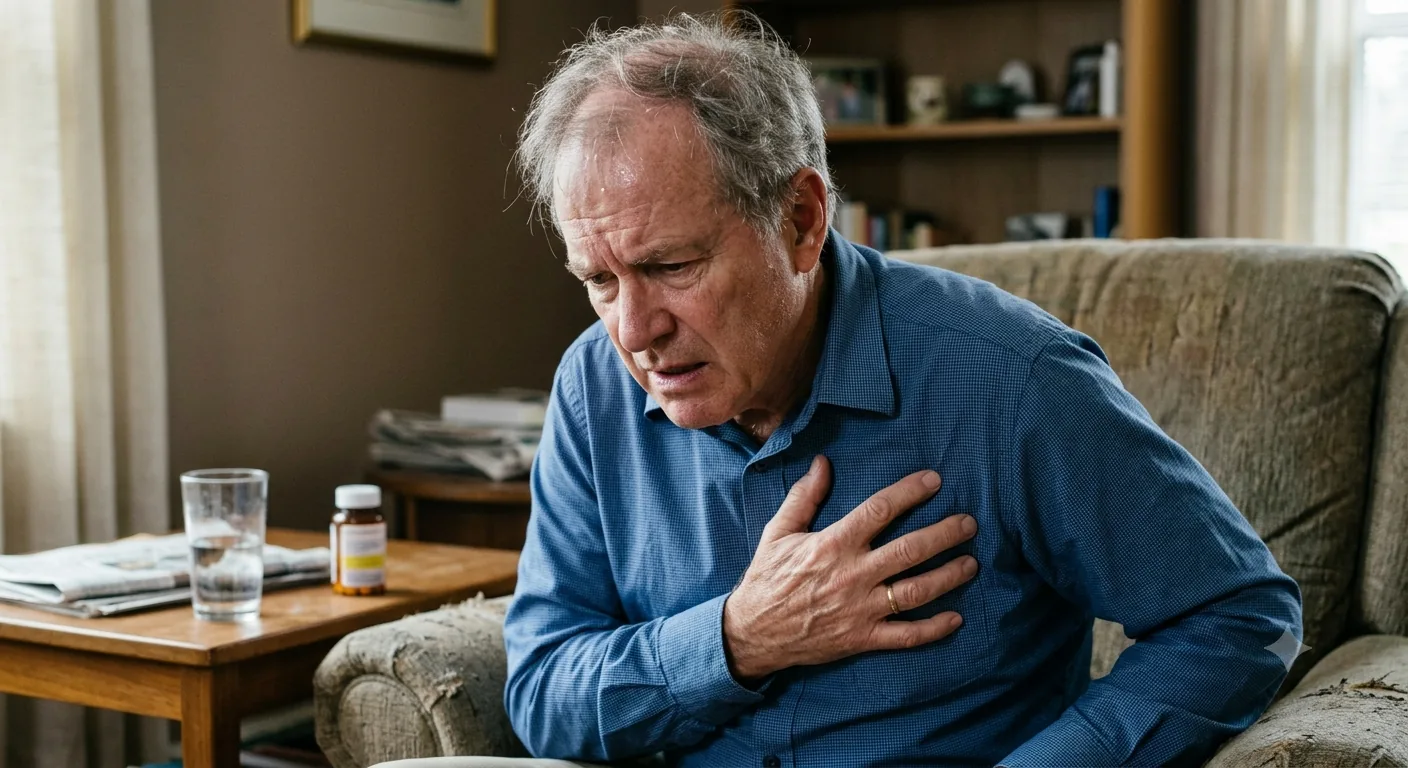
The most common symptom. It may feel like pressure, squeezing, tightness, fullness, or a crushing weight in the centre or left side of the chest. It often lasts more than a few minutes, or comes and goes. It does not always feel like "pain" — many patients describe it as an uncomfortable heaviness rather than a sharp hurt.
Pain radiating to the arm, jaw, neck, or back
The pain or discomfort of a heart attack can travel — down the left arm, up into the jaw, across the back, or into the neck and shoulders. If you feel an unexplained ache in any of these areas alongside chest discomfort, take it seriously.
Shortness of breath
Difficulty breathing, especially if it comes on suddenly at rest or with minimal exertion, can be a sign that the heart is under stress. It sometimes occurs without any chest pain at all.
Cold sweat, nausea, or lightheadedness
Breaking into a cold sweat for no apparent reason, feeling sick to the stomach, or suddenly feeling dizzy or faint are common accompaniments to a heart attack. Women in particular are more likely to present with these symptoms as their primary complaint rather than chest pain.
Unusual fatigue
An overwhelming, unexplained tiredness — particularly in women — in the days leading up to a heart attack is a recognised but underappreciated warning sign. If you feel exhausted in a way that feels different from normal tiredness, pay attention.
"Time is muscle. Every minute of delay costs heart tissue. If something feels wrong with your heart, act first and ask questions later."
— Dr. Zaidoun Hajali, MD FSCAI FRCPHeart Attacks in Women — Why They Are Often Missed
Women are significantly more likely than men to have a heart attack without classic chest pain. Their symptoms are more often described as pressure rather than pain, and are more frequently accompanied by fatigue, nausea, jaw ache, and back pain. This means women — and the doctors treating them — sometimes fail to recognise a heart attack for what it is.
If you are a woman and you feel something is wrong with your body — even if you cannot quite describe it — please do not dismiss it. Heart disease is the leading cause of death in women worldwide, and it is frequently underdiagnosed and undertreated.
What to Do If You Think You Are Having a Heart Attack
🚨 Act Immediately
Call emergency services (999 in UAE / 112 in Europe) right away. Do not drive yourself to hospital. Do not wait to see if the symptoms pass. Do not call your GP first. Call emergency services — they can begin treatment on the way to hospital and alert the cardiac team to be ready for you. Every minute of delay costs heart muscle that cannot be replaced.
While waiting for the ambulance: sit or lie down in whatever position is most comfortable, loosen any tight clothing, and try to stay calm. If you have been prescribed aspirin and are not allergic to it, chewing a standard aspirin tablet (300mg) can help slow clot formation — but only if a doctor has previously recommended this for you.
- A heart attack happens when a coronary artery is suddenly blocked by a blood clot, cutting off blood supply to the heart muscle.
- Classic symptoms include chest pressure, pain radiating to the arm or jaw, shortness of breath, and cold sweats.
- Women, diabetics, and elderly patients often present with atypical symptoms — fatigue, nausea, or back pain without chest pain.
- Call emergency services immediately. Do not wait, do not drive yourself.
- Treatment (primary PCI) is most effective within the first 90 minutes — time truly is muscle.
- Risk factors include smoking, high blood pressure, diabetes, high cholesterol, obesity, and family history of heart disease.
Can a Heart Attack Be Prevented?
In many cases, yes. Atherosclerosis — the underlying disease — develops over decades and is strongly influenced by lifestyle and medical factors. Controlling blood pressure, managing cholesterol with statins, not smoking, maintaining a healthy weight, staying physically active, and managing diabetes all significantly reduce the risk. Regular check-ups with a cardiologist are particularly important if you have a family history of heart disease or multiple risk factors.
If you have already had a heart attack, the risk of a second one is real but manageable. Dual antiplatelet therapy, statins, beta-blockers, and ACE inhibitors — combined with lifestyle changes — dramatically improve long-term outcomes after a myocardial infarction.