If your doctor has referred you for a coronary angiography, you are likely feeling a mix of concern and confusion. What exactly is it? Will it hurt? What will they find? As a cardiologist who has performed thousands of these procedures, I want to answer every question you might have — plainly and honestly.
Coronary angiography (also called cardiac catheterisation or a "coronary angiogram") is the gold standard investigation for diagnosing blockages in the arteries that supply your heart. It is both a diagnostic test and, when needed, the starting point for treatment. Over 5,000 of these procedures form part of my own clinical experience.
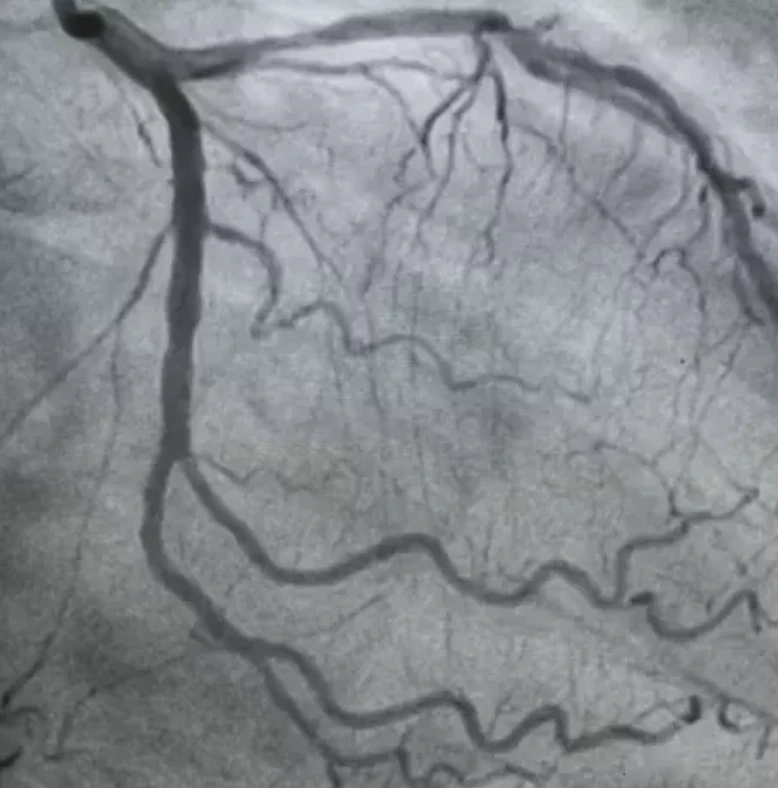
What Is Coronary Angiography?
Coronary angiography is a minimally invasive procedure that uses X-ray imaging and a special contrast dye to create detailed pictures of the coronary arteries — the blood vessels that supply oxygen to the heart muscle. It allows us to see exactly where blockages or narrowings (stenoses) exist, how severe they are, and what needs to be done.
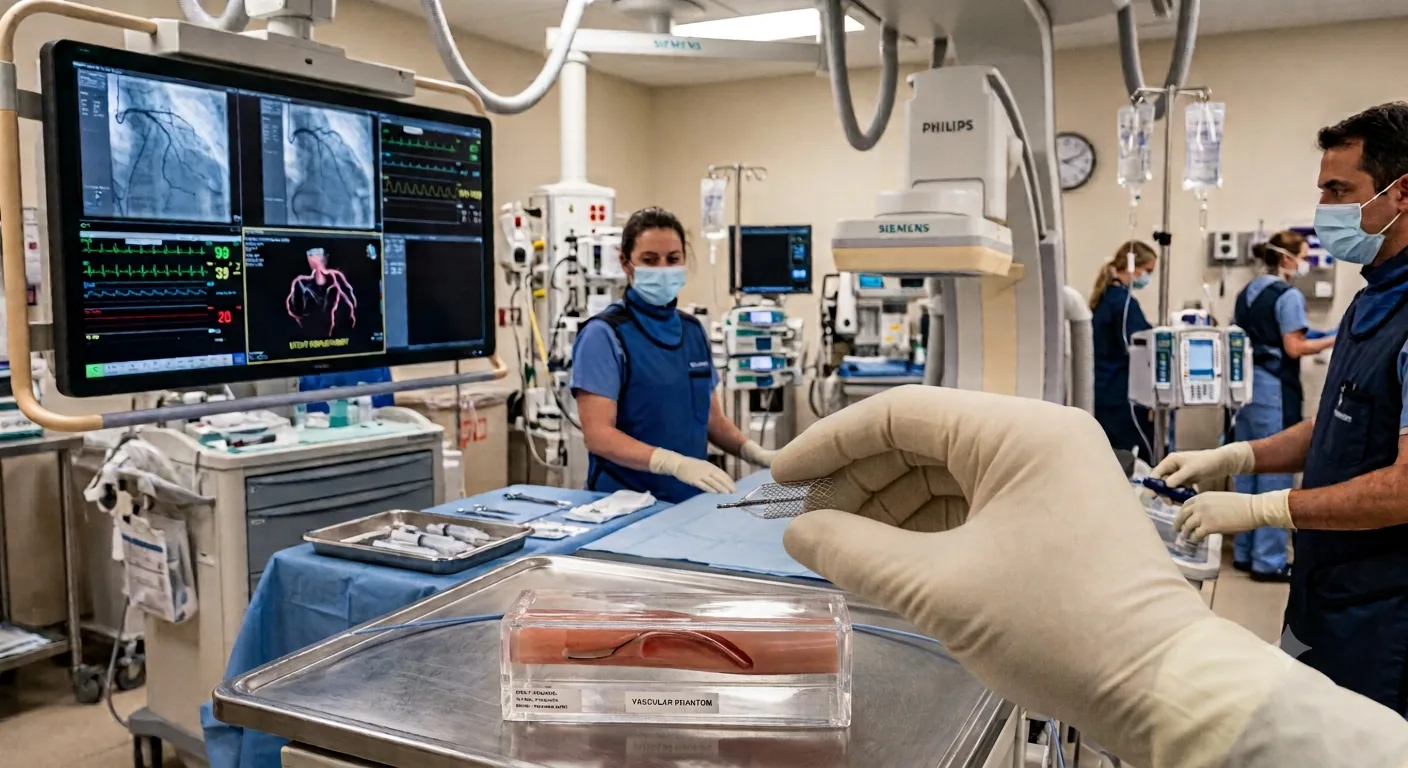
The procedure is performed in a specialised suite called a catheterisation laboratory, or cath lab. It typically takes between 30 and 60 minutes, and most patients go home the same day or the following morning.
When Is an Angiogram Needed?
Your cardiologist may recommend a coronary angiography if you have chest pain (angina) that is not fully explained by other tests, if a stress test or CT scan has suggested significant coronary artery disease, if you have had a heart attack, or if you are being evaluated before major cardiac surgery. It may also be done urgently in the setting of an acute heart attack.
The Procedure — Step by Step
Preparation
You will be asked not to eat or drink for several hours before the procedure. A small cannula is placed in your wrist or arm. You are given a mild sedative to help you relax — you remain awake throughout.
Access — radial or femoral
A thin, flexible tube called a catheter is inserted through a small puncture in the wrist (radial access — our preferred approach) or occasionally the groin (femoral access). The wrist approach is safer, more comfortable, and allows you to sit up immediately afterwards.
Catheter navigation
The catheter is gently threaded through the arterial system up to the heart. You will not feel this — there are no pain nerves inside blood vessels. Using X-ray guidance (fluoroscopy), the catheter tip is positioned at the opening of each coronary artery.
Contrast injection & imaging
A small amount of contrast dye is injected through the catheter into each coronary artery. The dye makes the arteries visible on X-ray, and multiple images are taken from different angles. You may feel a brief warm flush when the dye is injected — this is normal and passes within seconds.
Treatment if needed
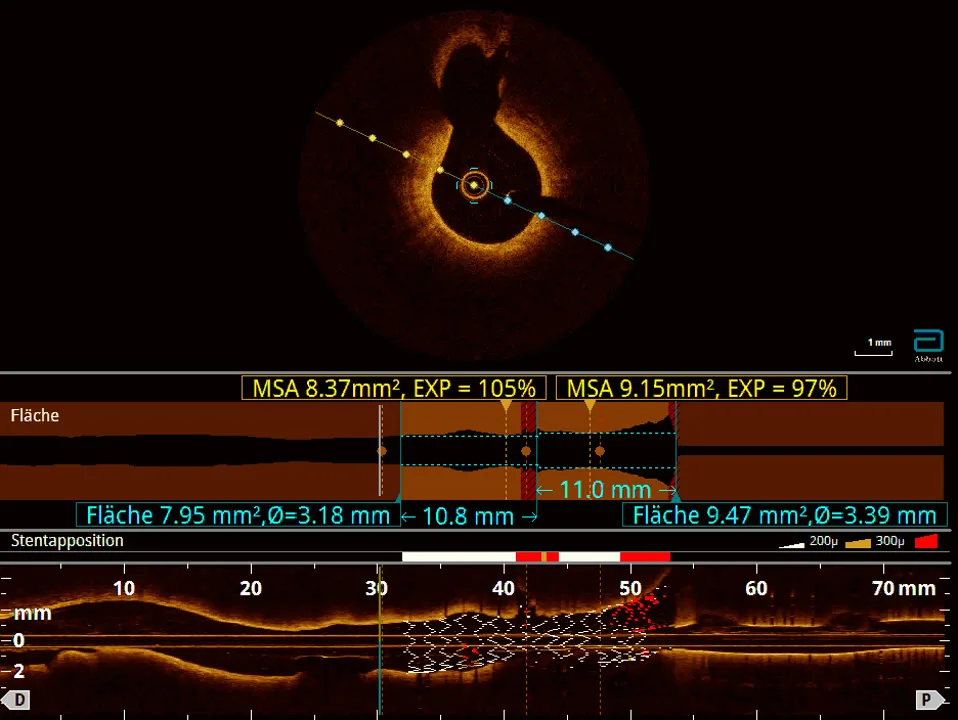
If a significant blockage is found and the decision to treat it is made, we can often proceed directly to angioplasty and stenting (PCI) in the same sitting. This is discussed with you before the procedure or, in urgent situations, explained in real time.
Recovery
After the catheter is removed, a small dressing or wrist band is applied. With radial access, you can usually sit up and eat within an hour. Most patients are discharged within 4–6 hours of a diagnostic-only procedure.
"The wrist approach has transformed angiography for patients. They arrive nervous and leave walking — often within a few hours, with clear answers about their heart."
— Dr. Zaidoun Hajali, MD FSCAI FRCPIs It Safe?
Coronary angiography is a very safe procedure when performed in an experienced centre. Serious complications are rare — occurring in less than 1% of elective procedures. Minor bruising at the access site is common. The contrast dye can occasionally affect kidney function, so we take precautions in patients with pre-existing kidney disease. You will be monitored throughout and for a period afterwards.
After the Angiogram
Once the results are reviewed, your cardiologist will explain what was found. There are four possible conclusions: the arteries are normal (excellent news); there is mild disease that can be managed with medications; there are significant blockages that should be treated with stenting (PCI); or the disease pattern is better suited to bypass surgery (CABG). Each path has a clear plan, and your cardiologist will walk you through it.
- It is the gold standard for diagnosing coronary artery disease — no scan gives the same level of detail.
- The wrist (radial) approach is preferred — safer, faster recovery, and more comfortable.
- You are awake but sedated — most patients describe it as surprisingly straightforward.
- The procedure takes 30–60 minutes; you can usually go home the same day.
- If treatment is needed, it can often be performed immediately in the same session.
- Serious complications are rare in elective cases — less than 1% in experienced centres.